Finding the best ecommerce platform for small business can feel like hunting for a needle in a haystack, especially when you’re juggling stock, staff and that ever‑growing to‑do list.
You’re probably sitting at your kitchen table in Brisbane, coffee in hand, wondering if the next click will finally let you sell those handmade candles without a tech nightmare. Trust me, I’ve seen dozens of Queensland entrepreneurs stare at endless feature tables, only to end up more confused than before.
So, what’s the real problem? Most platforms promise everything—custom domains, payment gateways, SEO tools—but they often ignore the day‑to‑day grind of a small team. You need something that sets up quickly, scales gently, and doesn’t charge an arm and a leg each month.
In our experience at Free Website Chick, the sweet spot is a solution that blends local support with a drag‑and‑drop builder, plus built‑in Australian payment options like Stripe AU and Afterpay. That way you can focus on packing orders instead of wrestling with code.
Imagine this: you launch a fresh collection of eco‑friendly tote bags, and within an hour the site is live, the checkout works, and the inventory updates automatically. No midnight calls to a support line, no hidden fees when you hit your first 100 sales.
But don’t just take my word for it—look at the common pain points we keep hearing: slow loading times, lack of Aussie tax settings, and platforms that make you pay extra for basic analytics. When those issues disappear, you actually start enjoying the online side of your business.
Ready to cut through the noise? We’ll walk through a handful of platforms that tick the boxes most Aussie small businesses need, from easy design to local compliance. Stick around, because the next few minutes could save you weeks of frustration.
🐣 The Chick
Punchy advice, no fluff, and occasional chicken puns.
If you’re a Brisbane‑based entrepreneur craving a quick, affordable, Aussie‑friendly solution, the best ecommerce platform for small business will let you launch, sell, and scale without wrestling with code or hidden fees.
We’ve distilled the top options into a simple checklist—local support, drag‑and‑drop builder, Stripe AU/Afterpay integration—so you can focus on packing orders while the platform handles the rest.
Picture this: you’ve just finished the morning coffee at your Brisbane kitchen table, you’ve got a fresh batch of hand‑poured candles, and you’re thinking, “How the heck do I get these online tomorrow?” That’s the exact moment Shopify shines for a lot of Queensland entrepreneurs – it’s built for a quick, no‑code launch.
What we love about Shopify is the “plug‑and‑play” vibe. You sign up, pick a theme, and within an hour you’ve got a live store with a working checkout that talks to Stripe AU and Afterpay straight out of the box. No need to wrestle with a developer just to get your tax settings right for GST.
And the best part? The app store is packed with tools that solve niche problems without you needing to code. Need a loyalty program? There’s an app for that. Want to sell wholesale to local retailers? Another app does it in a few clicks.
But don’t just take my word for it – we’ve seen dozens of small brands in Brisbane move from a paper catalogue to a fully automated Shopify store, and the sales lift is real. One of our clients, a boutique surf‑wear label, went from zero online sales to $5k in the first month after swapping in Shopify’s built‑in SEO tools.
Now, a quick reality check: Shopify isn’t free. The basic plan starts at A$29 per month, and you’ll add on app fees if you need extra features. Still, that’s often cheaper than paying a developer to custom‑code a site that still might not play nicely with Australian tax law.
That’s it. You’re live, you can start sharing the link on Instagram, and the checkout will handle everything from inventory to receipts.
If you’re curious about other platforms that might fit a tighter budget, check out our guide on Shopify alternatives for Australian small businesses. It walks through options that still give you Aussie‑friendly payments but at a lower monthly cost.
While you’re fine‑tuning your product pages, think about the little details that make a brand memorable. Custom drink bottles, for example, are a cheap yet high‑impact way to reinforce branding. Quench Bottles offers on‑demand, full‑colour printing so you can slip a logo onto a sleek stainless‑steel bottle and toss it in every order.
And don’t forget the paperwork that keeps a professional shop looking sharp – invoices, shipping labels, and thank‑you stickers. JiffyPrintOnline provides affordable custom labels and business forms that integrate nicely with your Shopify order workflow.
Bottom line: if you need a platform that gets you from zero to selling in a single arvo, Shopify is hard to beat for Aussie small businesses. It balances ease of use, local payment support, and a thriving ecosystem of apps that grow with you.
Ready to give it a go? Grab that free trial, follow the quick‑start steps, and you’ll be watching orders roll in before the lunch rush is over.
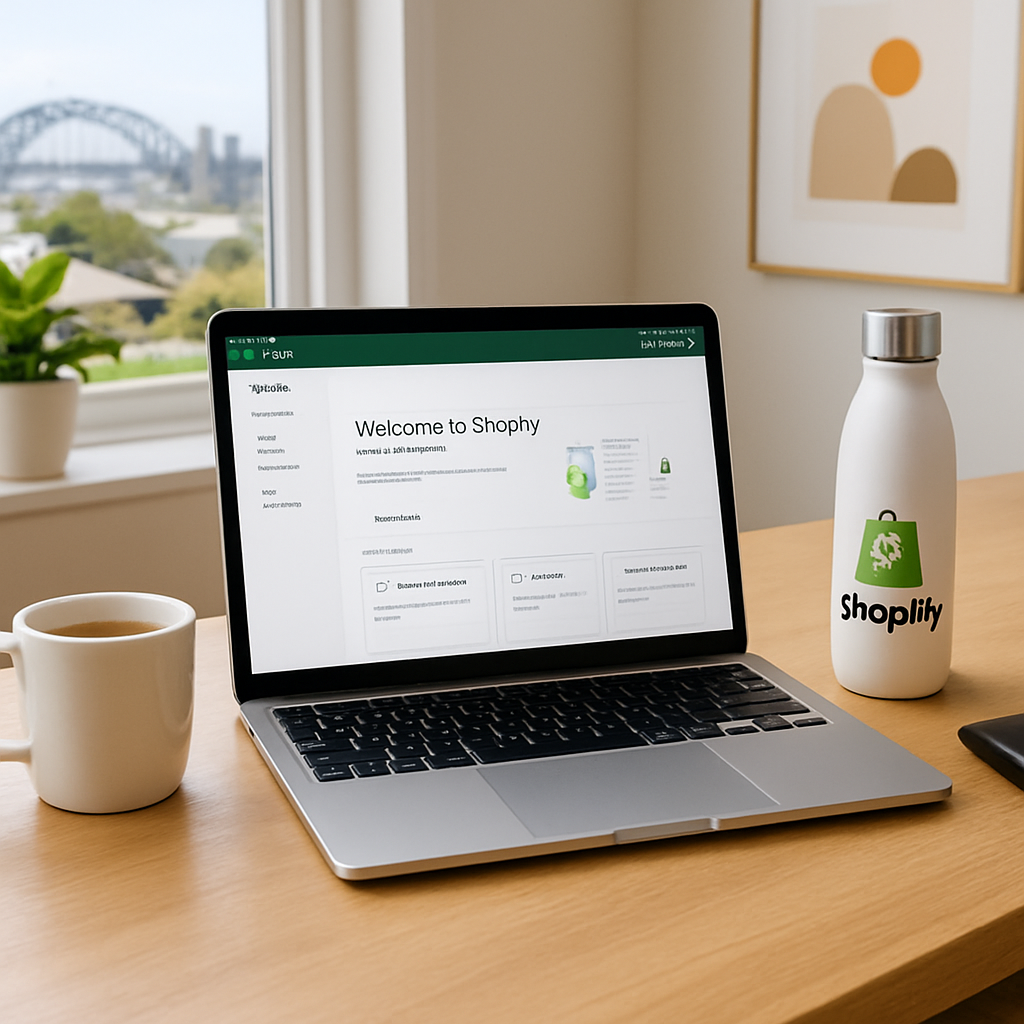
WooCommerce is a WordPress plugin, so the whole theme ecosystem is yours to play with. You can pick a free theme, buy a premium one, or even code a child theme from scratch. Need a product grid that shows three items per row on desktop but stacks to one on mobile? A few lines of CSS and you’re set. No locked‑in templates, no waiting for an app update.
WordPress hosts thousands of plugins that sit right next to WooCommerce. From advanced shipping rules for Queensland regional rates to local payment gateways like eWAY, you can add exactly what you need. And because plugins are often free or low‑cost, you keep the budget tight while still offering a boutique experience.
SEO is where WooCommerce really shines. You can edit slugs, meta titles, and schema markup for every product without jumping through app hoops. Pair it with Yoast SEO or Rank Math and you get XML sitemaps, breadcrumb trails, and content analysis built right into the editor. That level of granularity helps your store rank higher when shoppers search for “handmade candles Brisbane”.
With WooCommerce all your orders, customer info and analytics sit on your own hosting server. That means you’re not locked into a proprietary dashboard and you can export data whenever you like. If you ever decide to switch platforms, you won’t have to battle a data‑export wall.
Because you choose the host, you can start on a cheap shared plan and move to a managed WordPress solution as traffic grows. Australian providers like VentraIP or Netregistry offer SSD storage and CDN options that keep load times low for local customers. Scaling is a matter of upgrading the server, not negotiating with a SaaS vendor.
WordPress has a massive Aussie community – forums, meet‑ups in Brisbane, and local agencies that speak the same slang you use. When you hit a snag, a quick Google search will surface a tutorial written by a fellow Queensland shop owner, often with screenshots of the exact setting you need.
So, does the flexibility come at a cost? You’ll need to manage hosting, security patches and plugin updates yourself, or hire someone to do it. That’s why many of our clients lean on Free Website Chick for “set‑and‑forget” maintenance while they keep the creative control. It’s a trade‑off: more freedom versus more responsibility.
Bottom line: if the best ecommerce platform for small business for you means being able to shape every pixel, pick the payment gateway, and own your data, WooCommerce gives you that canvas. It may require a bit more hands‑on work, but the payoff is a store that truly feels like yours.
For a side‑by‑side look at costs and features, check out this detailed WooCommerce vs Shopify comparison.
Because WooCommerce is open source, new features land as soon as the community releases them. You can add Gutenberg blocks, integrate headless CMS setups, or experiment with AI‑driven product recommendations without waiting for a vendor roadmap. It keeps your store adaptable as ecommerce trends shift.
If you’re hunting for the best ecommerce platform for small business that can grow with you, BigCommerce often shows up in the conversation. It feels a bit like finding a sturdy ute that can haul a weekend market stall and a growing online catalogue without breaking a sweat.
BigCommerce serves every page through a built‑in content‑delivery network. That means a customer in Cairns sees the same fast load time as someone in Melbourne. No need to tinker with caching plugins or worry about peak‑season traffic spikes.
We’ve watched Queensland boutique sellers jump from a few dozen orders a week to a few hundred overnight, and the platform just keeps the checkout smooth. The result? Fewer abandoned carts and happier customers.
Unlike some SaaS rivals that sneak in a 2 % fee on every sale, BigCommerce lets you connect Stripe AU, Afterpay or local banks without an extra cut. Your profit margin stays exactly where you left it – in your bank account.
Think about it: every extra dollar you keep can go straight into fresh stock, a new marketing push, or that extra staff member you’ve been eyeing.
Got a wholesale line for local retailers and a retail storefront for direct‑to‑consumer sales? BigCommerce lets you spin up separate storefronts, each with its own branding, while you manage inventory from a single backend.
That’s a massive time‑saver for entrepreneurs juggling a weekend market booth, an Instagram shop, and a B2B catalogue for local boutiques.
Features like custom price lists, bulk order forms, and quote‑request workflows are baked in. You don’t have to hunt for a pricey plugin or worry about compatibility when the next Shopify update rolls out.
For a Queensland wholesaler who ships pallets of handmade soaps to regional retailers, this means a smoother order process and fewer email back‑and‑forth loops.
If you ever need to connect to an ERP, a loyalty program, or a local accounting package like Xero, BigCommerce’s API is well‑documented and widely used. You can automate inventory syncs, push orders to your fulfilment centre, or pull sales data into a custom dashboard.
In practice, we’ve seen small businesses set up a simple Zapier flow that moves new orders straight into a Google Sheet – no developer needed.
The pricing tiers are designed so you don’t out‑grow the platform before you out‑grow the plan. As you cross sales thresholds, you simply upgrade – the core feature set stays the same, so there’s no learning curve each time.
And because the platform is SaaS, you’re not worrying about server patches or security updates. That’s one less thing on your to‑do list.
So, what’s the next step? If you’re already feeling the strain of juggling multiple sales channels or watching your site slow down during a flash sale, give BigCommerce a test run. Their 15‑day free trial lets you set up a mock store, connect your Stripe AU account, and see the performance first‑hand.
Remember, the best ecommerce platform for small business isn’t just about today’s needs – it’s about where you want to be a year from now. BigCommerce gives you the runway to scale without constantly switching tools.
Take a moment now to list the three biggest growth challenges you anticipate. Then match each one to a BigCommerce feature above. If the pieces line up, you’ve probably just found a platform that can grow right alongside your dream.
🐣 The Chick
Punchy advice, no fluff, and occasional chicken puns.
When you’re hunting for the best ecommerce platform for small business, the last thing you want is a code‑heavy nightmare that eats your arvo. That’s where Wix steps in – a drag‑and‑drop playground that lets you get a shop live faster than a coffee run to your favourite Brisbane café.
Here’s the quick‑hit list of why Wix’s builder feels like you’re arranging a scrapbook rather than wrestling with servers.
Wix’s editor lets you grab a text box, drop it onto the canvas, and see exactly how it looks on desktop and mobile. No need to edit HTML or fight with plugins – the preview updates instantly, so you can experiment with layouts while you sip your flat white.
Wix ships with pre‑built store templates that already include product galleries, cart widgets and checkout flows. You simply swap in your own photos, change the colours to match your branding, and the checkout is ready to accept Stripe AU or Afterpay.
Wix Connect integrates Stripe Australia, Afterpay, and even local bank gateways without extra extensions. That means when a customer taps “Buy now, pay later” the money lands straight into your Australian bank account, and you avoid those nasty conversion fees you’d see on overseas platforms.
Every Wix product page gets fields for meta titles, descriptions and friendly URLs. The platform also generates an XML sitemap and submits it to Google automatically. For a small Queensland retailer, that’s a massive time‑saver – you get found on Google without digging through a plugin maze.
Wix offers a free plan for hobby sites, then a modest Business Basic tier that unlocks full ecommerce features for under A$25 a month. If you outgrow it, the Business Unlimited plan adds more storage and advanced analytics, so you can upgrade without a shocking price jump.
Wix’s Ascend suite bundles email newsletters, pop‑up promos and loyalty cards right into the dashboard. You can set up a “10% off first order” pop‑up in minutes, then watch the discount code flow into your checkout – no separate marketing platform required.
The Wix Owner app lets you track sales, fulfil orders and even add new products from your phone. So if you’re at the weekend market in Noosa, you can mark an item as sold and the inventory updates instantly on your online store.
So, does Wix tick the box for the best ecommerce platform for small business? In our experience, the sweet spot is the blend of visual simplicity and Aussie‑specific payment options – perfect for a solo entrepreneur who’d rather focus on packing orders than learning a new dev stack.
If you’re still on the fence, run the free Wix trial for a week, import your existing product CSV and see how quickly you can get a checkout live. The speed alone often convinces sceptical founders that drag‑and‑drop isn’t just a gimmick – it’s a real productivity boost.
🐣 The Chick
Punchy advice, no fluff, and occasional chicken puns.
If you’ve ever stood behind a coffee‑shop counter in Brisbane, ringing up a latte while a customer asks if you’ve got the new soy‑milk, you know how painful it can be to juggle a physical register and an online cart. That’s the exact moment Square Online shines – it stitches your brick‑and‑mortar point‑of‑sale straight into your webstore, so you’re never double‑typing the same sale.
Square’s dashboard shows in‑store sales, online orders, and inventory side by by. When a shopper buys a scented candle on your website, the stock level drops instantly on the register you use at the weekend market. No more “Oops, we sold the last jar” moments that leave you scrambling for a replacement.
Imagine you’ve just restocked a batch of handmade soaps after a busy Saturday at the local farmers market. You scan the new barcodes into the Square POS, hit “sync”, and those 30 units appear online within seconds. Your customers in the Sunshine Coast can see the fresh stock without you lifting a finger.
Square Payments works the same way whether the card is swiped in a pop‑up shop or entered on your checkout page. Australian merchants love the fact that payouts land in a local A$ bank account, and the fees are transparent – no surprise foreign‑exchange charges when a tourist buys a gift.
The reports pull data from both channels, so you can see which product sells better online versus in‑store. Maybe the eucalyptus‑scented candle flies off the shelf at the market but lags on the site – that’s a cue to boost its online SEO or run a flash‑sale.
Square integrates with local services like Afterpay, Zip and even the government‑approved GST calculator. You can turn on “buy now, pay later” with a toggle, and Square will handle the compliance paperwork for you. It’s a relief when you’re trying to keep up with the ever‑changing tax rules in Queensland.
The Square Point of Sale app lets you approve refunds, print receipts, and even launch a quick “store‑wide 10 % off” promo from your phone while you’re on the road. We’ve seen boutique owners in the Gold Coast launch a weekend discount in under a minute, then watch the sales spike both online and offline.
Setting up Square Online takes less than an hour. You pick a template, connect your domain, and the platform auto‑populates your product catalogue from the POS you already use. If you ever need a custom checkout field – say a “gift message” box for birthday candles – you can add it with a simple drag‑and‑drop module, no developer required.
So, does Square make the cut for the best ecommerce platform for small business? For anyone who already runs a physical shop or pop‑up stall, the answer is a loud yes. The seamless POS integration means you spend less time reconciling numbers and more time creating the products you love.
Here’s a quick checklist to see if Square Online is right for you:
If you tick most of those boxes, give Square a spin – the free trial lets you import your existing products and watch the magic happen in real time.
🐣 The Chick
Punchy advice, no fluff, and occasional chicken puns.
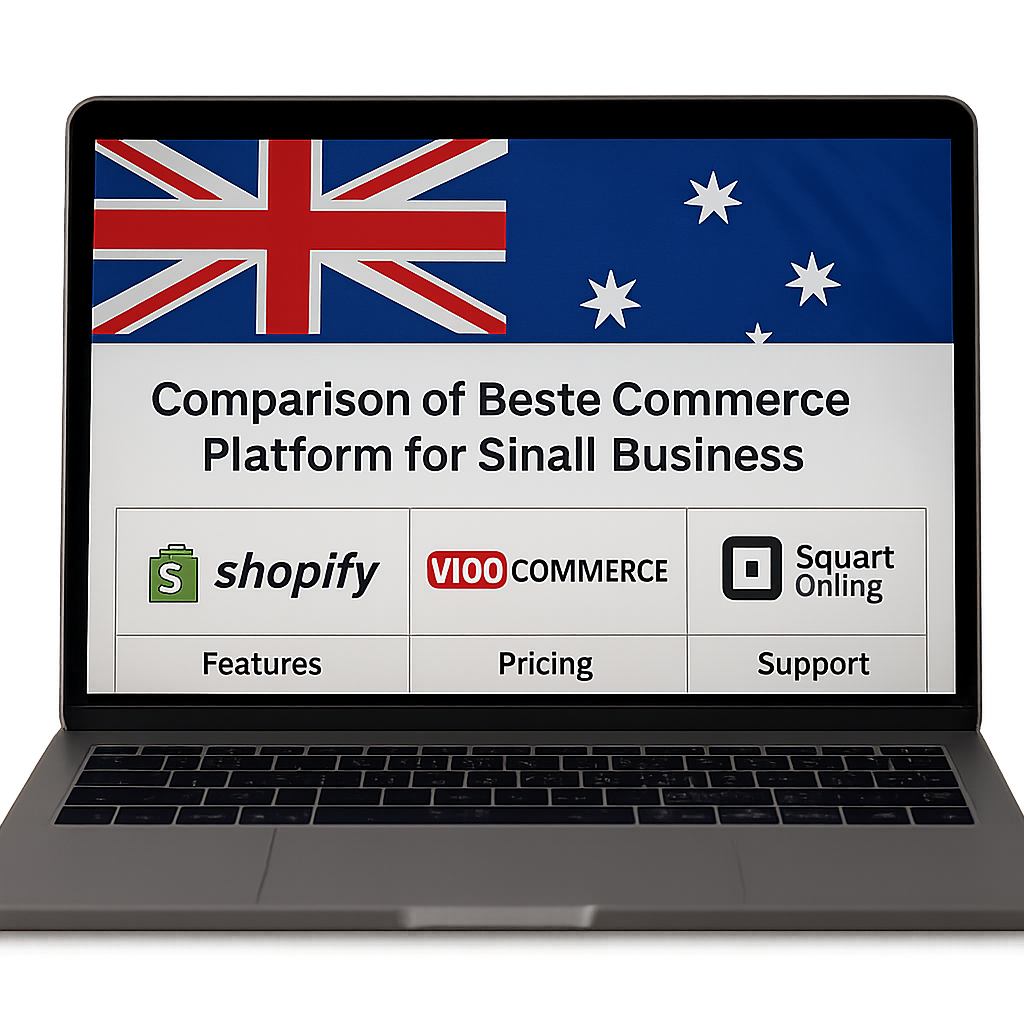
Alright, let’s cut through the fluff and give you a clear side‑by‑side view of the platforms we’ve been chatting about. If you’ve been juggling Square Online at the market stall, tinkering with WooCommerce on a shared host, or eyeing Shopify’s polished dashboards, this table will help you spot the sweet spot for your Brisbane‑based hustle.
Below you’ll find the core features, the entry‑level price (in Australian dollars), and the type of support each platform offers. Think of it as a cheat‑sheet you can print and keep on your desk while you sip your flat white.
| Platform | Key Features | Starting Price (A$/mo) | Support |
|---|---|---|---|
| Shopify | Drag‑and‑drop builder, Aussie‑ready payments (Stripe AU, Afterpay), automatic GST handling, 24/7 live chat | AU$29 | Live chat + phone (business hours), extensive help centre, Aussie community forums |
| WooCommerce | Full WordPress freedom, unlimited plugins, granular SEO control, self‑hosted data | Free core + hosting (starts ~AU$5 on cheap Aussie host) | Community forums, optional paid support from agencies, no official 24/7 line |
| Square Online | Instant POS sync, built‑in inventory, local payouts, simple checkout customisation | Free plan + 2.6% + 30c per transaction (no monthly fee) | Email support, in‑app chat, phone support for paid plans only |
Does that table make sense so far? If you’re still not sure which column matters most, let’s break it down a bit.
Feature depth vs. simplicity. Shopify gives you a polished experience out‑of‑the‑box – you won’t need to hunt for plugins to get GST right. WooCommerce is a powerhouse if you love tinkering; you can add any feature you can imagine, but you’ll also need to manage updates and security yourself. Square Online is the no‑code champion: set it up in an hour, and your in‑store sales instantly flow online.
Pricing reality check. The “free” label on Square can be tempting, but remember the transaction fees add up as you grow. Shopify’s flat monthly fee keeps costs predictable, and you avoid surprise per‑sale charges. With WooCommerce, the biggest expense is usually hosting – a modest Aussie host can run you under A$10 a month, but you’ll still pay for any premium plugins you decide to add.
So, which one feels like a good fit for your day‑to‑day?
If you run a pop‑up market stall and already use Square POS, the seamless inventory sync alone will save you hours each week. If you’ve got a developer on call or enjoy the freedom to customise every pixel, WooCommerce’s open‑source model lets you own every bit of your store. And if you want a reliable, all‑in‑one solution that scales with your sales without you pulling your hair out, Shopify’s predictable pricing and Aussie‑centric payment options are hard to beat.
Here’s a quick decision‑making checklist you can copy into a notebook:
Take a moment to rank those three criteria for your business. Whichever platform ticks the most boxes is probably the one to trial first.
And remember, you don’t have to lock yourself in forever. Most of these services let you export your product catalogue and migrate later if your needs change.
Ready to see the table in action? Grab a coffee, open this page side‑by‑side with your budget spreadsheet, and start pencilling in the platform that feels like a natural extension of your brand.
So, you’ve walked through the options, weighed the checklist, and maybe even scribbled notes on a napkin. The reality is, the best ecommerce platform for small business is the one that fits your daily rhythm, not the flashiest brochure.
If instant inventory sync with your physical register keeps you sane, Square Online will feel like an extension of your POS. If owning every pixel and data point matters, WooCommerce gives you that canvas, even if you have to roll up your sleeves. And if you’d rather spend time creating candles instead of chasing support tickets, Shopify’s 24/7 live chat lets you get back to the fun stuff fast.
The sweet spot for many Queensland entrepreneurs is to start with a trial, export the product catalogue after a month, and switch if the platform stops matching your growth curve. Remember, migration is rarely a nightmare when you keep clean CSVs and simple SKUs.
Take one last step right now: open your spreadsheet, rank the three criteria—inventory sync, data ownership, hands‑off support—and pencil in the platform that checks the most boxes. Give it a week, watch the numbers, and trust your gut. When the fit feels right, you’ve found the best ecommerce platform for small business that’ll grow alongside your brand.
🐣 The Chick
Punchy advice, no fluff, and occasional chicken puns.
Got a few lingering doubts about finding the best ecommerce platform for small business? Below are the questions we hear most often from Brisbane‑based makers, and the straightforward answers that actually move you forward.
First, think about the day‑to‑day grind: does the platform sync instantly with your POS, or will you be juggling spreadsheets? Next, check local payment options – Stripe AU, Afterpay, and the like keep your cash in Aussie dollars without surprise fees. Finally, weigh support: 24/7 live chat versus community forums. A platform that ticks these boxes will feel like a natural extension of your shop rather than a tech nightmare.
Massively important. When a customer clicks “Buy now, pay later” on their phone, you want the money to land in an A$ bank account the same day, not get tangled in foreign‑exchange fees. Stripe AU and Afterpay are built for Aussie retailers, handling GST automatically and offering familiar checkout flows. That simplicity translates into faster conversions and fewer abandoned carts, especially for the spontaneous “arvo coffee” shopper.
Absolutely – most SaaS solutions let you export your product CSV, customer list, and order history. The trick is to keep SKUs clean and avoid custom fields that don’t map elsewhere. In our experience, a tidy spreadsheet makes migration painless, whether you’re moving from Square Online to Shopify or from WooCommerce to a bigger enterprise solution. Think of it as changing utes; the engine stays the same, you just swap the body.
Not really. Both Shopify and Square Online are designed for non‑techies – you pick a template, drag‑and‑drop your images, and connect Stripe AU in a few clicks. The learning curve is more about understanding your tax settings and product variants than writing code. If you ever hit a snag, the 24/7 chat or the platform’s help centre usually has a step‑by‑step guide that even a busy candle‑maker can follow.
Imagine you sell a batch of scented candles at a weekend market and the stock never updates online. You’ll end up overselling, apologising, and losing trust. Real‑time sync, like Square’s built‑in POS connection, automatically deducts a sale from both the physical register and the webstore. That single feature saves you hours of manual reconciliation each week and keeps your customers happy, whether they shop on the beach or from their couch.
Look beyond the subscription price and factor in transaction fees, app or plugin costs, and any extra charge for premium support. For example, a “free” Square plan sounds appealing until you add 2.6 % + 30c per sale – those add up fast as you hit 100 + orders a month. Shopify’s flat fee may feel higher at first, but it includes hosting, SSL, and zero per‑sale fees, which can be cheaper in the long run.
If your business runs on evenings, weekends, or you ship from a pop‑up stall, having live help at 2 am feels priceless. A quick chat can stop a checkout glitch before it turns into a lost sale. On the other hand, if you’re comfortable troubleshooting with community forums and have a local developer on call, you might save a few dollars. We’ve seen small retailers in Brisbane avoid costly downtime simply by choosing a platform with round‑the‑clock chat.
🐣 The Chick
Punchy advice, no fluff, and occasional chicken puns.